
✈️ Alternate Art Expansion Deep Dive

Updated: Mar 21
The IADS: The Game Alternate Art Expansion Set is cosmetic, but it's essential for players who want to art to represent foreign and legacy aircraft (and maybe add their own House Rules to bring in some unique capabilities!). While the Base Game showcases the art inspired by classic late-Cold War/Gulf War lineup (F-15, F-16, B-52, B-1, SA-5, SA-13, U-2), this expansion gives your decks a global flair with aircraft from around the the world.
🛫 Alternate Art Unit Cards
Here’s what’s included in the set along with the Wikipedia summary of the aircraft that inspired the art on each card capturing a brief summary of that aircraft's role in modern air warfare:
Chengdu J-20

The Chengdu J-20 (Chinese: 歼-20; pinyin: Jiān-Èrlíng), also known as Weilong (Chinese: 威龙; pinyin: Wēilóng; lit. 'Mighty Dragon',[9][10][11] NATO reporting name: Fagin),[12] is a twin-engine all-weather stealth[13] fighter developed by China's Chengdu Aircraft Corporation for the People's Liberation Army Air Force (PLAAF).[1] The J-20 is designed as an air superiority fighter with precision strike capability.[14] The aircraft has three notable variants: the initial production model, the revised airframe variant with new engines and thrust-vectoring control, and the aircraft-teaming capable twin-seat variant.
Sukhoi Su-57
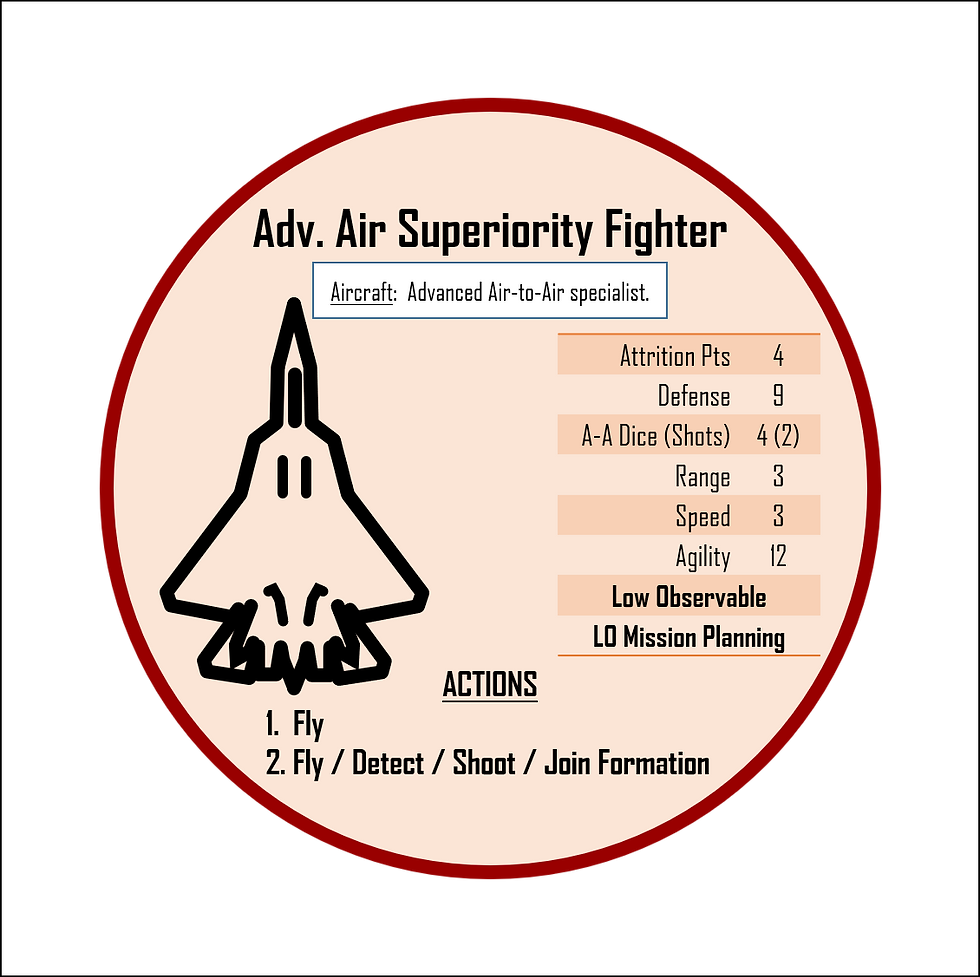
The Sukhoi Su-57 (Russian: Сухой Су-57; NATO reporting name: Felon)[5][6] is a twin-engine stealth multirole fighter aircraft developed by Sukhoi.[7] It is the product of the PAK FA (Russian: ПАК ФА, prospective aeronautical complex of front-line aviation) programme, which was initiated in 1999 as a more modern and affordable alternative to the MFI (Mikoyan Project 1.44/1.42). Sukhoi's internal designation for the aircraft is T-50. The Su-57 is the first aircraft in Russian military service designed with stealth technology and is intended to be the basis for a family of stealth combat aircraft.
Shenyang J-35
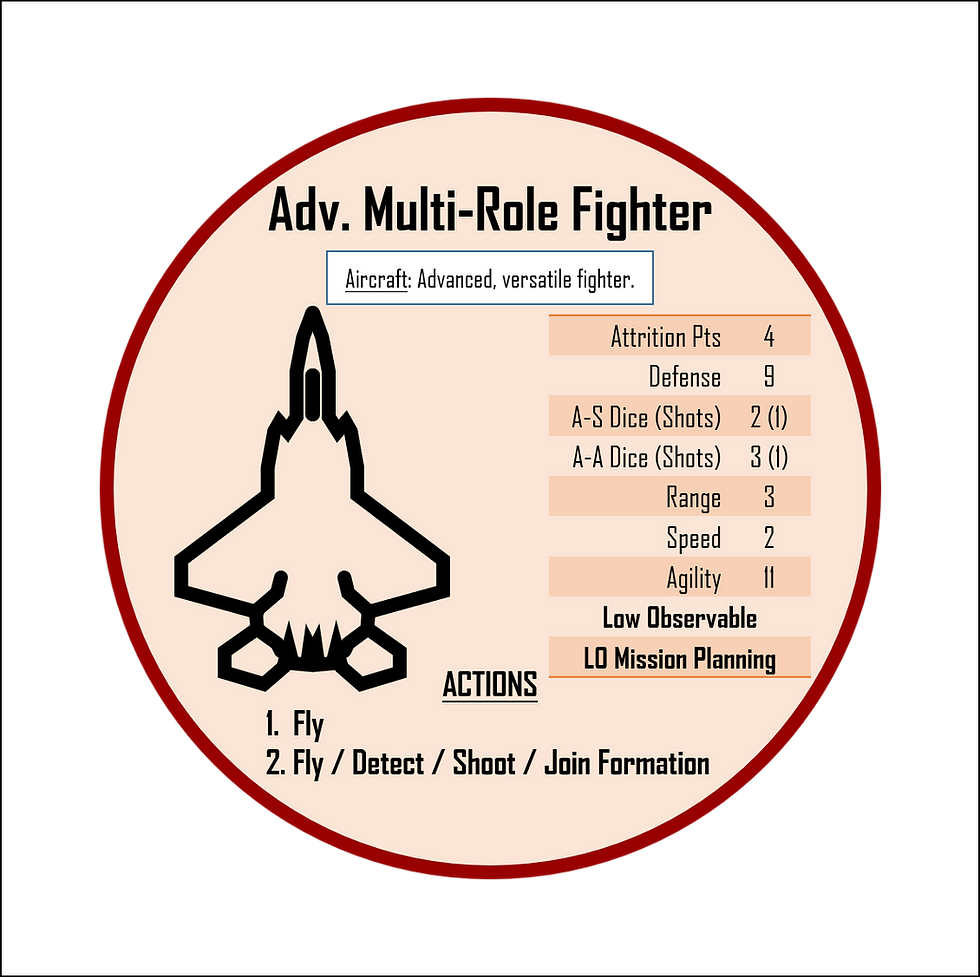
The Shenyang J-35 (Chinese: 歼-35; pinyin: jiān-sānwǔ) is a series of Chinese single-seater, twin-engine, all-weather, stealth multirole combat aircraft manufactured by Shenyang Aircraft Corporation (SAC), designed for air superiority and surface strike missions. The aircraft has two variants, a land-based variant designed for the People's Liberation Army Air Force (PLAAF), and a carrier-based variant optimized for catapult-assisted takeoff (CATOBAR) for the People's Liberation Army Naval Air Force (PLANAF). The aircraft is also promoted for export. It is the first fifth-generation fighter in the world to have been launched from an aircraft carrier using an electromagnetic catapult (EMALS).[6]
Sukhoi Su-35

The Sukhoi Su-35 (Russian: Сухой Су-35; NATO reporting name: Flanker-E/M, occasionally nicknamed "Super Flanker"[7]) is the designation for two improved derivatives of the Su-27 air superiority fighter. They are single-seat, twin-engine, supermaneuverable, 4.5 generation air superiority fighters, designed by the Sukhoi Design Bureau and built by Sukhoi.
Mikoyan-Gurevich MiG-25

The Mikoyan-Gurevich MiG-25 (Russian: Микоян и Гуревич МиГ-25; NATO reporting name: Foxbat) is a supersonic interceptor and reconnaissance aircraft that is among the fastest military aircraft to enter service. Designed by the Soviet Union's Mikoyan-Gurevich bureau, it is an aircraft built primarily using stainless steel. It was to be the last aircraft designed by Mikhail Gurevich, before his retirement.
Grumman F-14 Tomcat
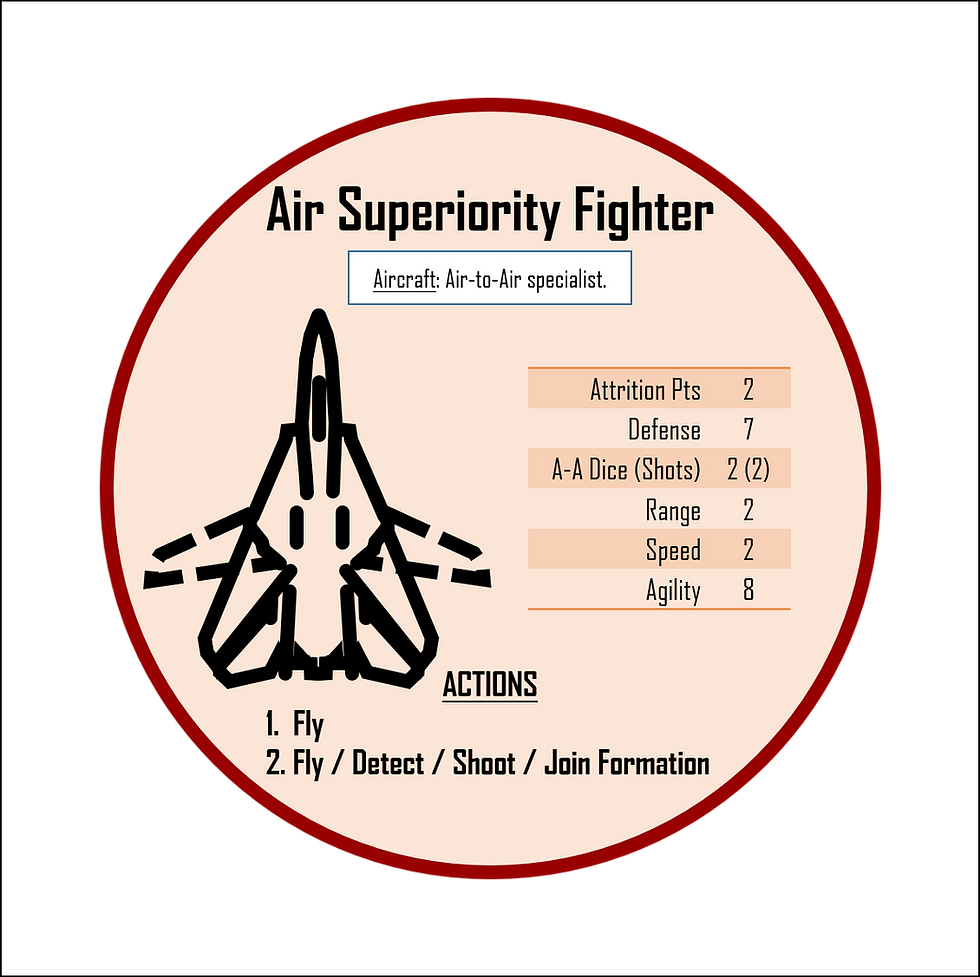
The Grumman F-14 Tomcat is an American carrier-capable supersonic, twin-engine, tandem two-seat, twin-tail, all-weather-capable variable-sweep wing fighter aircraft. The Tomcat was developed for the United States Navy's Naval Fighter Experimental (VFX) program after the collapse of the General Dynamics-Grumman F-111B project. A large and well-equipped fighter, the F-14 was the first of the American Teen Series fighters, which were designed incorporating air combat experience against smaller, more maneuverable MiG fighters during the Vietnam War.
Boeing E-3 Sentry

The Boeing E-3 Sentry is an American airborne early warning and control (AEW&C) aircraft developed by Boeing. E-3s are commonly known as AWACS (Airborne Warning and Control System). Derived from the Boeing 707 airliner, it provides all-weather surveillance, command, control, and communications, and is used by the United States Air Force, NATO, French Air and Space Force, Royal Saudi Air Force and Chilean Air Force. The E-3 has a distinctive rotating radar dome (rotodome) above the fuselage. Production ended in 1992 after 68 aircraft had been built.
Grumman E-2 Hawkeye

The Northrop Grumman E-2 Hawkeye is an American all-weather, carrier-capable, tactical airborne early warning (AEW) aircraft. This twin-turboprop aircraft was designed and developed during the late 1950s and early 1960s by the Grumman Aircraft Company for the United States Navy as a replacement for the earlier, piston-engined E-1 Tracer, which was rapidly becoming obsolete. The aircraft's performance has been upgraded with the E-2B and E-2C versions, where most of the changes were made to the radar and radio communications due to advances in electronic integrated circuits and other electronics.
Shaanxi KJ-500

The Shaanxi KJ-500 (Chinese: 空警-500; pinyin: Kōngjǐng Wǔbǎi; literally: "Air Warning 500"), also known as Qianliyan-500[2] (Chinese: 千里眼-500; pinyin: qiān lǐ yǎn-500; lit. 'All-seeing-500') is a third-generation airborne early warning and control (AEW&C) aircraft used by the Chinese People's Liberation Army Air Force (PLAAF). It was built by Shaanxi Aircraft Corporation,[3] and is based on the Y-9 airframe.
Beriev A-50

The Beriev A-50 (NATO reporting name: Mainstay) is a Soviet-origin airborne early warning and control (AEW&C) aircraft that is based on the Ilyushin Il-76 transport plane. Developed to replace the Tupolev Tu-126 "Moss", the A-50 first flew in 1978. Its existence was revealed to the Western Bloc in 1978 by Adolf Tolkachev.[2] It entered service in 1985, with about 42 produced by 1992 when the breakup of the Soviet Union ended production.[3]
Xi'an H-6

The Xi'an H-6 (Chinese: 轰-6; pinyin: Hōng-6[a]) is a Chinese twin-engine jet heavy bomber manufactured by the Xi'an Aircraft Industrial Corporation. It is a license-built version of the Soviet Tupolev Tu-16 and remains the primary bomber aircraft of the People's Liberation Army Air Force (PLAAF).
Tupolev Tu-95

The Tupolev Tu-95 (Russian: Туполев Ту-95; NATO reporting name: "Bear") is a large, four-engine turboprop-powered strategic bomber and missile platform. First flown in 1952, the Tu-95 entered service with the Long-Range Aviation of the Soviet Air Forces in 1956 and was first used in combat in 2015. It is expected to serve the Russian Aerospace Forces until at least 2040.
Tupolev Tu-160

The Tupolev Tu-160 (Russian: Туполев Ту-160 «Белый лебедь», romanized: Bely Lebed, lit. 'White Swan';[1] NATO reporting name: Blackjack) is a supersonic, variable-sweep wing nuclear-capable heavy strategic bomber and airborne missile platform designed by the Tupolev Design Bureau in the Soviet Union in the 1970s. The aircraft is large, longer than a Boeing B-52 Stratofortress at 54 m, with wingspan 56 m when spread, 36 m when swept back. The Tu-160 is operated by the Long Range Aviation branch of the Russian Aerospace Forces.[2]
Tupolev Tu-22

The Tupolev Tu-22 (Air Standardization Coordinating Committee name: Blinder) was the first supersonic bomber to enter production in the Soviet Union. Manufactured by Tupolev, the Tu-22 entered service with Long-Range Aviation and Soviet Naval Aviation in the 1960s.
Rockwell B-1 Lancer

The Rockwell B-1 Lancer[b] is a supersonic variable-sweep wing, heavy bomber used by the United States Air Force. It has been nicknamed the "Bone" (from "B-One").[2][3] As of 2024, it is one of the U.S. Air Force's three strategic bomber types, along with the B-2 Spirit and the B-52 Stratofortress. It carries up to a 75,000-pound (34,000 kg) payload.[4]
Northrop Grumman RQ-4 Global Hawk

The Northrop Grumman RQ-4 Global Hawk is a high-altitude, remotely-piloted surveillance aircraft introduced in 2001. It was initially designed by Ryan Aeronautical (now part of Northrop Grumman), and known as Tier II+ during development. The RQ-4 provides a broad overview and systematic surveillance using high-resolution synthetic aperture radar (SAR) and electro-optical/infrared (EO/IR) sensors with long loiter times over target areas.
Boeing P-8 Poseidon
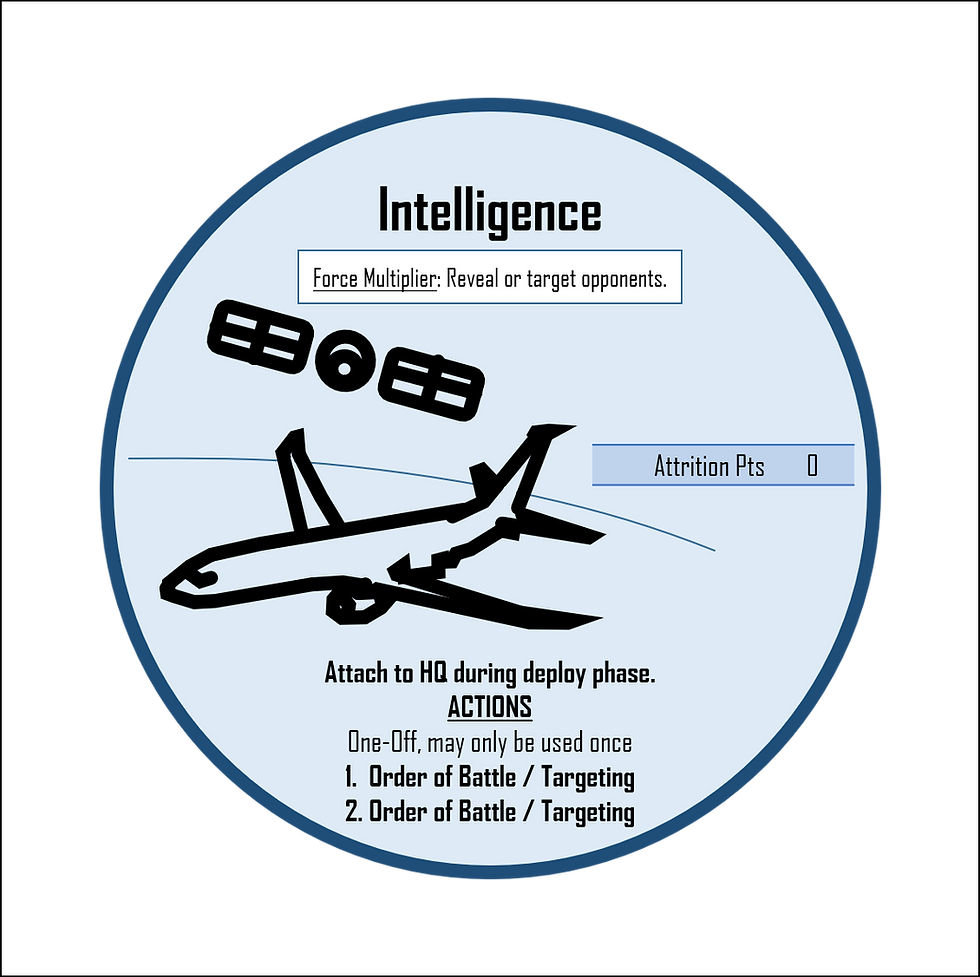
The Boeing P-8 Poseidon is an American maritime patrol and reconnaissance aircraft developed and produced by Boeing Defense, Space & Security. It was developed for the United States Navy as a derivative of the civilian Boeing 737 Next Generation airliner.
Boeing RC-135
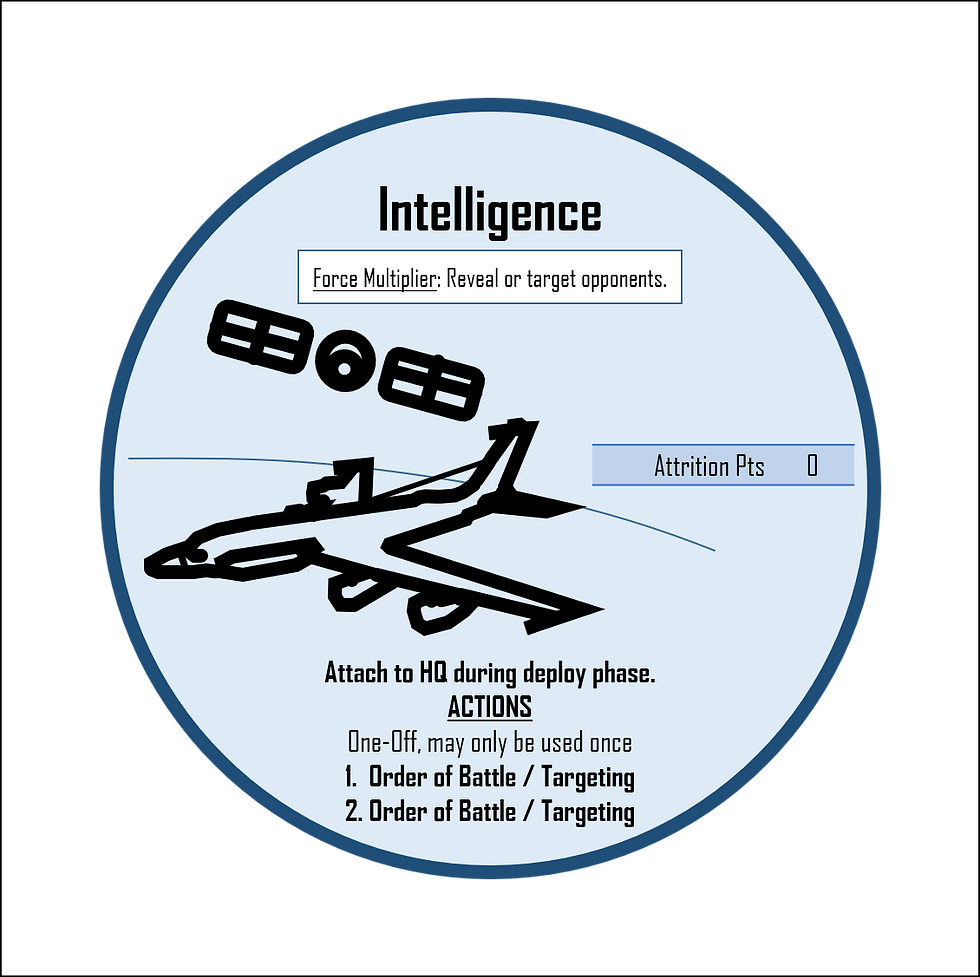
The Boeing RC-135 is a family of large reconnaissance aircraft built by Boeing and modified by a number of companies, including General Dynamics, Lockheed, LTV, E-Systems, L3Harris Technologies, and used by the United States Air Force and Royal Air Force to produce theater and national level intelligence with near real-time on-scene collection, analysis and dissemination capabilities.
Dassault Mirage 2000

The Dassault Mirage 2000 is a French multirole, single-engine, delta wing, fourth-generation jet fighter manufactured by Dassault Aviation. It was designed in the late 1970s as a lightweight fighter to replace the Mirage III for the French Air Force (Armée de l'air). The Mirage 2000 evolved into a multirole aircraft with several variants developed, with sales to a number of nations. It was later developed into the Mirage 2000N and 2000D strike variants, the improved Mirage 2000-5, and several export variants. Over 600 aircraft were built and it has been in service with nine nations.
Dassault Rafale

The Dassault Rafale (French: [ʁafal], literally meaning "gust of wind",[2] or "burst of fire" in a more military sense)[3] is a French twin-engine, canard delta wing, multirole fighter aircraft designed and built by Dassault Aviation. Equipped with a wide range of weapons, the Rafale is intended to perform air supremacy, interdiction, aerial reconnaissance, ground support, in-depth strike, anti-ship strike and nuclear deterrence missions. It is referred to as an "omnirole" aircraft by Dassault.
Saab JAS 39 Gripen

The Saab JAS 39 Gripen (Swedish: [ˈɡrǐːpɛn] ⓘ; lit. 'Griffin')[a][3] is a light single-engine supersonic multirole fighter aircraft manufactured by the Swedish aerospace and defence company Saab AB. The Gripen has a delta wing and canard configuration with relaxed stability design and fly-by-wire flight controls. Later aircraft are fully NATO interoperable. As of 2025, more than 280 Gripens of all models, A–F, have been delivered.[b]
Chengdu J-10

The Chengdu J-10 (Chinese: 歼-10; pinyin: Jiān-Shí), also known as Menglong (Chinese: 猛龙; pinyin: Měnglóng; lit. 'Vigorous Dragon', NATO reporting name: Firebird[4][5]) is a Chinese medium-weight, single-engine, multirole combat aircraft using a delta wing and canard design,[2] with a maximum speed of Mach 1.8.[6] It is produced by the Chengdu Aircraft Corporation (CAC) for the People's Liberation Army Air Force (PLAAF) of China, and exported to the Pakistan Air Force (PAF).
Eurofighter Typhoon

The Eurofighter Typhoon is a European multinational twin-engine, supersonic, canard delta wing, multirole fighter.[3][4] The Typhoon was designed originally as an air-superiority fighter[5] and is manufactured by a consortium of Airbus, BAE Systems and Leonardo that conducts the majority of the project through a joint holding company, Eurofighter Jagdflugzeug GmbH. The NATO Eurofighter and Tornado Management Agency, representing the UK, Germany, Italy and Spain, manages the project and is the prime customer.[6]
Mikoyan MiG-29

The Mikoyan MiG-29 (Russian: Микоян МиГ-29; NATO reporting name: Fulcrum) is a twin-engine fighter aircraft designed in the Soviet Union. Developed by the Mikoyan design bureau as an air superiority fighter during the 1970s, the MiG-29, along with the larger Sukhoi Su-27, was developed to counter U.S. fighters such as the McDonnell Douglas F-15 Eagle and the General Dynamics F-16 Fighting Falcon.[2] The MiG-29 entered service with the Soviet Air Forces in 1983.
McDonnell Douglas F/A-18 Hornet
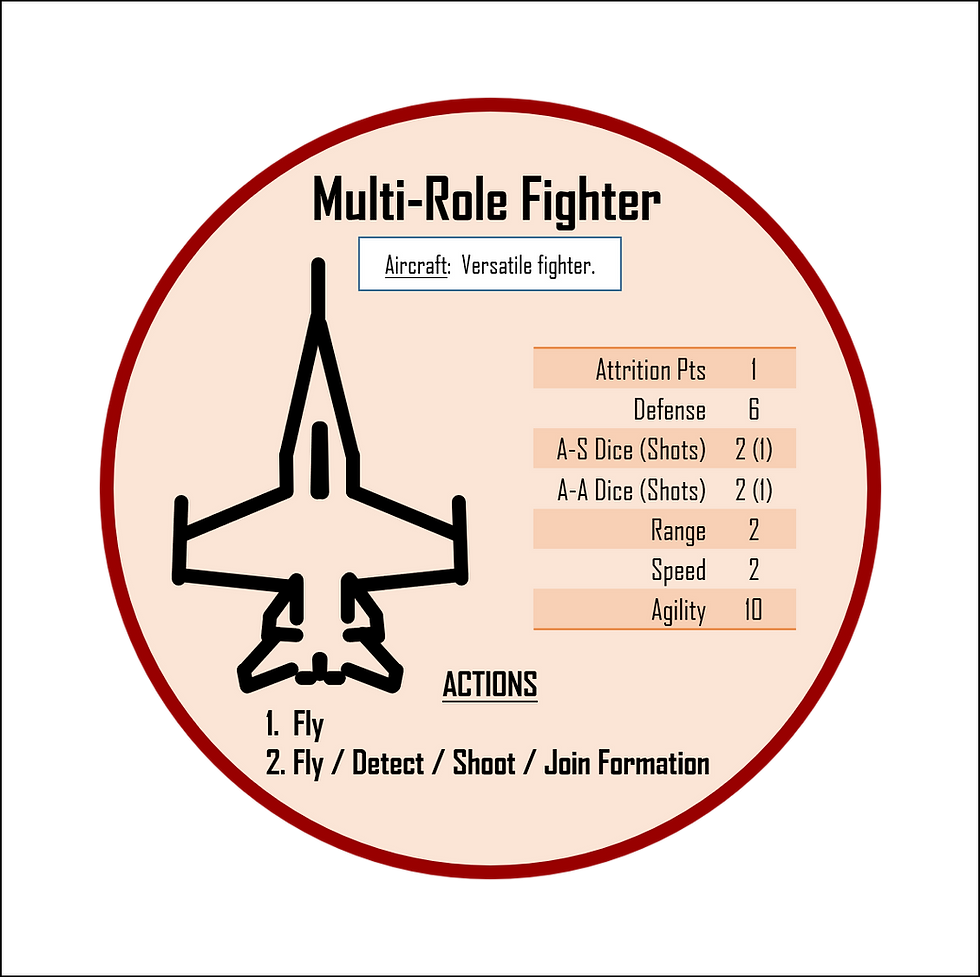
The McDonnell Douglas F/A-18 Hornet is an all-weather supersonic, twin-engined, carrier-capable, multirole combat aircraft, designed as both a fighter and ground attack aircraft (hence the F/A designation). Designed by McDonnell Douglas and Northrop, the F/A-18 was derived from the YF-17 that lost against the YF-16 in the United States Air Force's lightweight fighter program. The United States Navy selected the YF-17 for the Navy Air Combat Fighter program, further developed the design and renamed it F/A-18; the United States Marine Corps would also adopt the aircraft. The Hornet is also used by the air forces of several other nations, and formerly by the U.S. Navy's Flight Demonstration Squadron, the Blue Angels.
Final Thoughts
When we first floated the idea for the Alternate Art Expansion, we considered adding unique capabilities based on real-world performance. However, we realized that would turn our little Rules of Engagement into huge textbook more akin to Jane’s All the World’s Aircraft.
Now that we’ve begun compiling ideas in Annex A: House Rules, we’d love to hear from the community. If you have UNCLASSIFIED thoughts on what Special Capabilities some of these aircraft could include, let us know!
Issue Orders!
- Ric
The capabilities described in this board game are generic and notional; they do not accurately reflect any real world capabilities. The views expressed on this page and in the game are those of the author and do not represent the official policy or positions of the United States Air Force, the Department of the Air Force, the Department of Defense, or the U.S. Government.


Comments